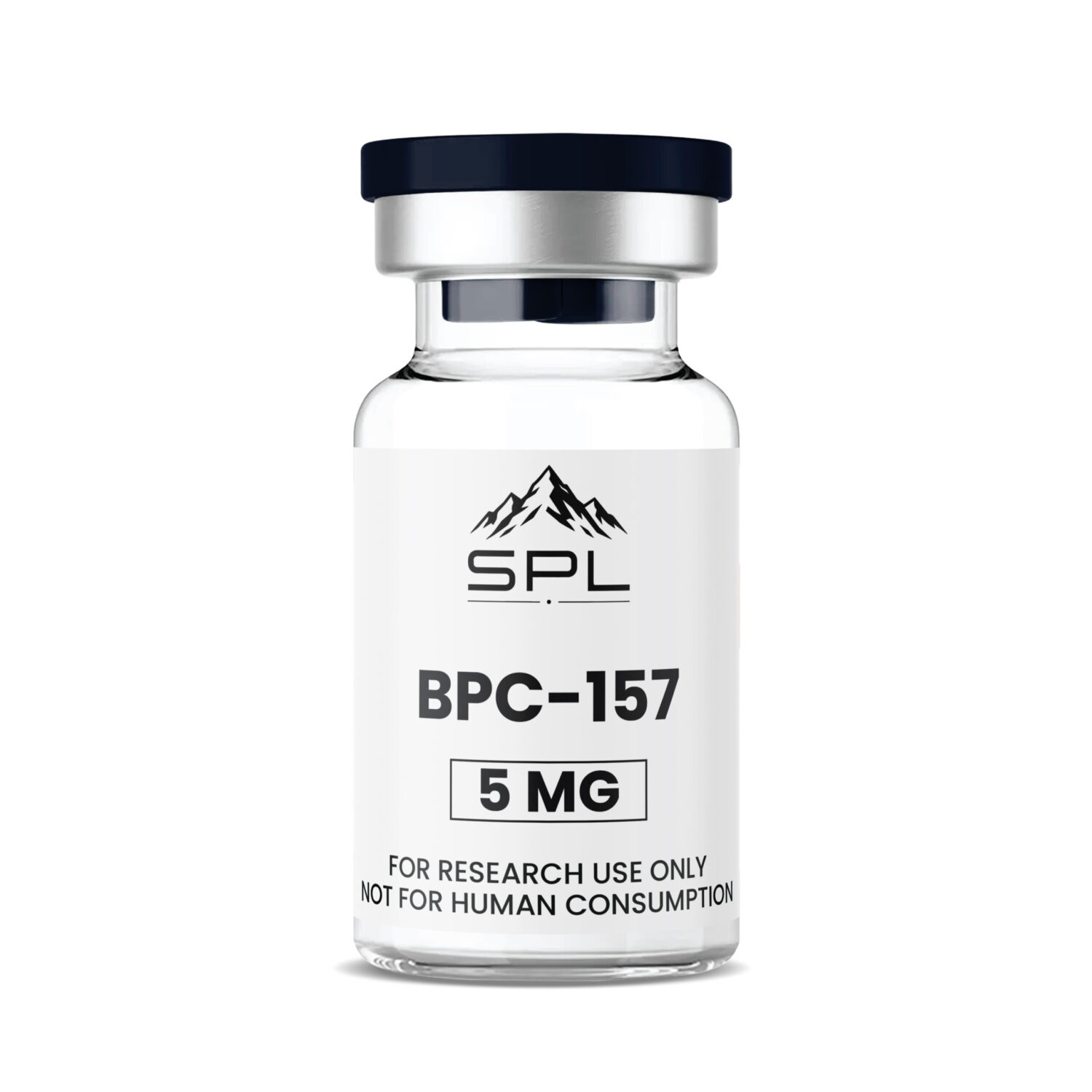
Description
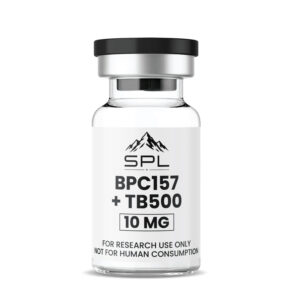
BPC-157 is believed to work by promoting cellular repair and regeneration processes throughout the body.
- Enhances blood vessel formation (angiogenesis) → improves nutrient delivery to damaged areas
- Supports collagen production → aids in tissue structure repair
- Modulates inflammatory pathways → reduces damage and supports healing
- Protects gastrointestinal lining → helps maintain gut integrity
These combined effects make BPC-157 widely studied for its role in recovery, repair, and overall tissue resilience.
Tissue Repair and Regeneration
Animal studies suggest that BPC-157 may accelerate healing of muscles, tendons, and ligaments, making it widely studied in injury recovery models.
Gastrointestinal Protection
Research indicates protective effects on the stomach lining and intestinal tract, particularly under conditions of stress or damage.
Angiogenesis and Blood Flow
Preclinical findings show that BPC-157 may promote the formation of new blood vessels, supporting improved circulation and tissue repair.
Anti-Inflammatory Effects
Studies suggest BPC-157 may help reduce inflammation markers, contributing to faster recovery in damaged tissues.
Intended Use:BPC-157 is designed for Research Purposes only. All peptides require reconstitution with Bacteriostatic water (BAC water), sold separately.
Storage: Store the vial in a cool, dry place away from direct sunlight. Once reconstituted, keep refrigerated at 2-8°C.
Solubility: Reconstitute with bacteriostatic water for best results. Gently swirl to dissolve, do not shake.
Shelf Life: The lyophilized form has a shelf life of 24 months when properly stored. Once reconstituted, refrigerate and use within 4-6 weeks.
Handling: Ensure sterile techniques are used to maintain the product’s integrity during research.
- BAC Water Sold Separately
- Syringes Not Included
- Peptides sold in powdered form